

Why dimmed light makes you feel calmer (and what light does to your brain)
At the end of the day, this is a familiar feeling for many people: you’re tired, but not quite relaxed yet. You’re sitting on the sofa, the lights are still bright, and your mind is still racing. It’s only when you dim the lights or make them softer that something changes in the room and you slowly begin to unwind.
There’s a reason for this: light is one of the strongest biological stimuli affecting your brain, hormones and sleep patterns. In this blog, you can read about how this works.
The effect of light on your biological clock
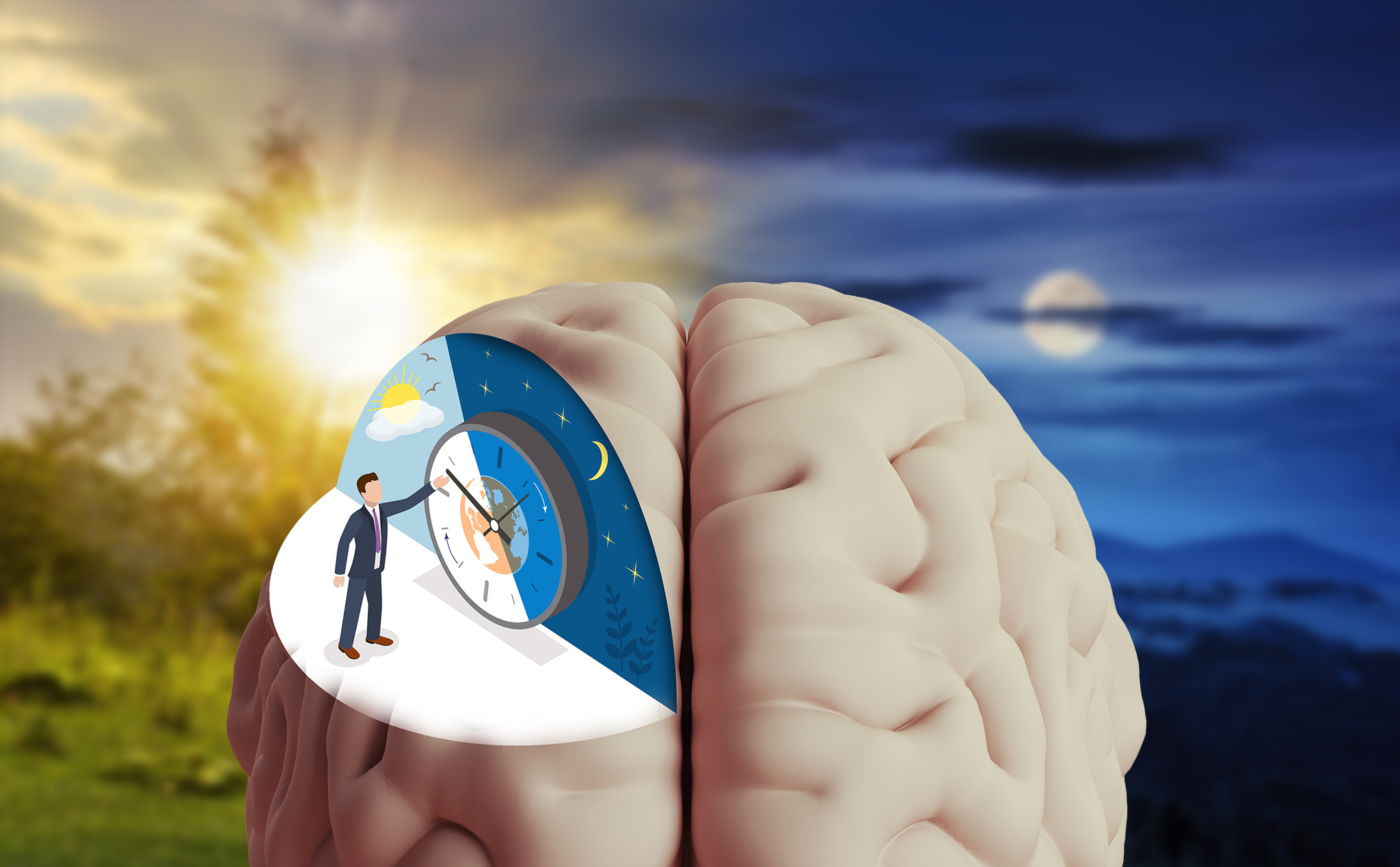
Your body follows an internal rhythm of approximately 24 hours; this is known as the circadian rhythm. This biological clock determines when you are awake, when you feel alert and when your body prepares for sleep.
The main regulatory mechanism of this clock is light. During the day, light acts as a signal to stay active. In the evening, that signal should gradually diminish, allowing your body to switch to rest and recovery.
How bright light in the evening affects you
If you are exposed to bright or cool light in the evening, your brain thinks it is still daytime. This inhibits the production of melatonin, the sleep hormone.
Various studies show that this effect occurs even with normal indoor lighting. As a result, your body remains active for longer, whilst you actually want to wind down and prepare for sleep.
Why this affects your sleep without you realising it
You don’t usually notice this process straight away. It builds up gradually. For example, you might find yourself falling asleep a little later each night or needing more time to really wind down.
As a result, your sleep often becomes shorter or less deep, which affects how rested you feel during the day. Many people attribute this to stress or, these days, screen use, whilst light plays a greater role in this than is often realised.

Why dimmed lighting instantly creates a sense of calm
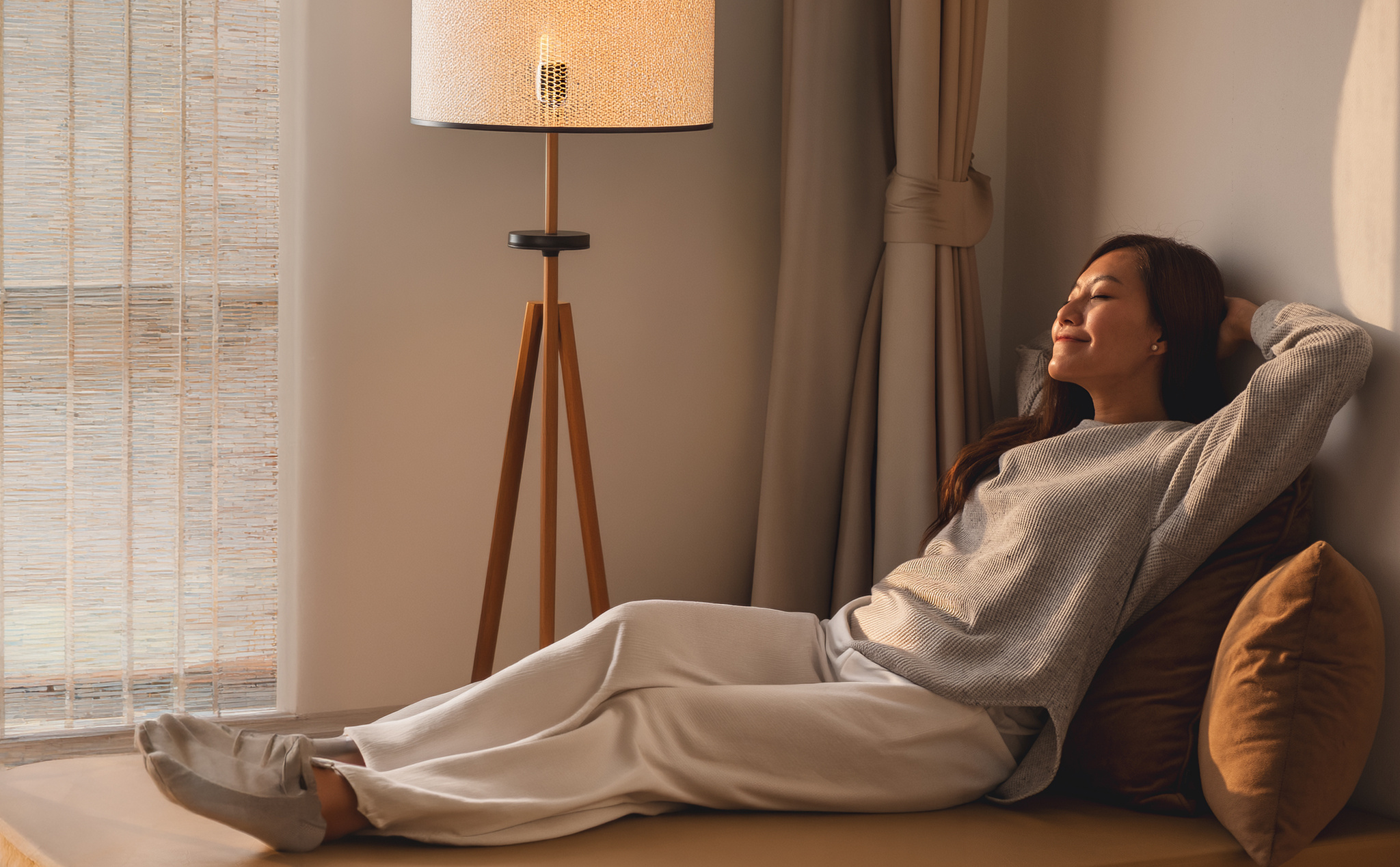
Dimmed light alters the signal your brain receives. Instead of ‘stay active’, your body receives the signal that the day is drawing to a close.
Your heart rate and alertness gradually decrease and your system switches to rest mode. This happens largely automatically, without any conscious effort.
Warm, soft light is therefore often perceived as pleasant: it corresponds to what your body biologically recognises as evening.
The problem right now: too much light, too late in the day
Your body is therefore attuned to a clear distinction between day and night. Light and active during the day, dark and calm in the evening.
In modern homes, that distinction is often blurred. Lights remain brightly switched on for long periods, and screens further reinforce that ‘daytime feeling’.
As a result, your body lacks a clear signal that it is time to wind down.

The solution lies in lighting that adapts to your daily routine
The solution is not simply to use less light, but above all to use light in a more carefully tailored way.
During the day, bright light is functional and promotes alertness. In the evening, however, it helps to gradually reduce the intensity and colour temperature of the light.
By making that distinction, you support your natural rhythm rather than disrupting it.
Why dimming plays such an important role in this
A dimmer switch allows for a smooth transition from day to night. Instead of an abrupt shift from bright light to darkness, you can gradually dim the lights.
This gradual transition is much more in tune with how your body clock works.
How you use your lighting – simply switching it on or off, or adjusting it to suit the moment – often makes a big difference in practice to how relaxed you feel at home.
Conclusion
Dimmed light is not only more pleasant, it also supports a natural biological process in your body. Your brain uses light as its main signal to determine when it is time to be active and when it is time to rest.
By being more mindful of light in the evening and opting for a lower light intensity, you help your body to relax more easily and fall asleep more readily.
And in practice, this is often simpler than you might think: it starts with controlling the light intensity in your own environment. You can achieve this with one of the many dimming solutions available.











0 Comments
There are no comments yet, be the first one to comment....